The Psychology Behind Casino Design
Casinos are meticulously designed environments that leverage psychological principles to encourage longer play. The use of bright lights, vibrant colors, and alluring sounds creates an atmosphere full of excitement that stimulates players’ senses. Many enthusiasts enjoy placing their bets and engaging with various gaming options, such as nrl betting , which adds another layer of thrill to the experience. This sensory overload can make it difficult for individuals to gauge the passage of time and money spent, enabling them to stay engaged longer than they initially intended. These elements not only enhance the overall experience but also create a sense of urgency that prompts frequent participation.
Another significant aspect of casino design is the layout of gaming machines and tables. By strategically placing slot machines and gaming tables in clustered formations, casinos create a sense of community and accessibility. Players feel drawn to join in the fun, often leading to extended play sessions. Additionally, the absence of clocks or windows further contributes to a disorienting experience, allowing gamblers to lose track of time and become immersed in the gaming environment.
Moreover, casinos employ the principle of variable rewards to maximize engagement. As players experience occasional wins, their brains release dopamine, reinforcing the behavior and increasing the likelihood of continued play. This reward structure, combined with enticing visuals and sounds, keeps players coming back for more, creating a cycle of engagement that can lead to extended durations at the gaming tables or machines.
The Role of Rewards and Loyalty Programs
Casinos utilize rewards and loyalty programs as effective tools to cultivate prolonged engagement. These programs often offer points for every dollar spent, which can be redeemed for various perks such as complimentary meals, hotel stays, or exclusive access to events. This system not only incentivizes players to spend more but also creates a sense of belonging as they become part of an elite group of loyal customers. Such strategies ensure that players feel valued and motivated to return frequently.
Furthermore, the gamification of these loyalty programs adds another layer of engagement. Players often find themselves competing for status levels, which can lead to increased spending to unlock specific rewards. This competition prompts individuals to gamble longer and more often, especially when they are close to reaching a new tier of benefits. The thrill of potentially unlocking a reward can be a powerful motivator, overshadowing the risks associated with gambling.

Additionally, casinos often employ targeted marketing strategies to keep players engaged. Utilizing data analytics, casinos can personalize offers and promotions based on individual spending habits. This personalization makes players feel special and more inclined to return, knowing that tailored incentives await them. Such strategies not only increase playtime but also foster long-term loyalty, creating a cycle where players feel “invested” in the casino experience.
The Impact of Alcohol and Environment
The provision of complimentary alcohol is a unique aspect of casino culture that significantly impacts player behavior. Serving free drinks encourages a more relaxed atmosphere, where individuals may feel emboldened to take risks and gamble longer than they would otherwise. Alcohol can lower inhibitions and impair judgment, making it easier for players to overlook their spending limits. This practice is deeply rooted in the casino’s design philosophy, aimed at maximizing engagement and extending playtime.
Moreover, the overall ambiance of a casino plays a crucial role in influencing player behavior. Plush seating, ambient music, and an inviting atmosphere can create a welcoming environment conducive to extended play. Casinos often aim to make players feel comfortable and at ease, thereby lengthening their stay. For instance, the layout often includes comfortable lounge areas, lighting designed to create an inviting space, and even refreshments available nearby, ensuring that players have everything they need to enjoy their experience.
Additionally, the excitement generated by the casino environment—coupled with the social interaction occurring among players—can further encourage longer play sessions. Engaging with fellow players can act as a buffer against the realities of losses, maintaining the thrill of the experience. This social aspect often leads to a communal feeling, where players are less likely to leave in favor of continuing the excitement of the game in a shared environment.
The Function of Games and Technology
The selection and design of games within casinos are critical for keeping players entertained and engaged. Slot machines, for example, have evolved with advanced graphics, engaging storylines, and interactive features that create an immersive gaming experience. These innovations can capture players’ attention for extended periods, transforming a simple game of chance into a captivating adventure that encourages repeat play. Furthermore, themed games based on popular culture or movies can attract diverse audiences and keep them engaged longer.
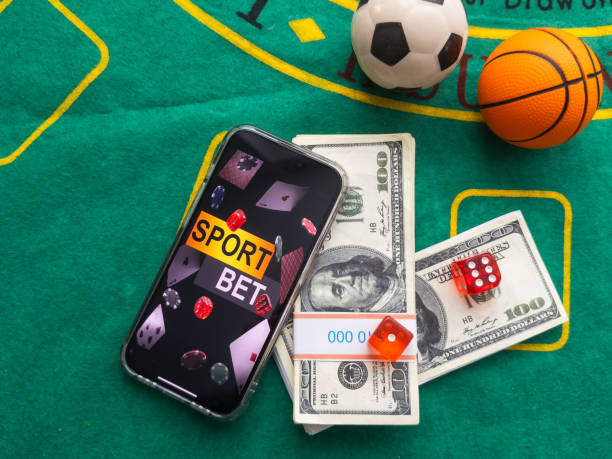
Technology also plays a pivotal role in enhancing the gaming experience. Many casinos now incorporate elements such as augmented reality and virtual reality to immerse players further in the gaming environment. These technologies not only make games more engaging but also introduce unique gaming experiences that can captivate players for hours. The innovation in gaming technology ensures that casinos can continuously provide fresh experiences, encouraging even regular players to return for something new.
Furthermore, skill-based games are emerging within traditional casinos, appealing to a younger demographic that seeks both excitement and challenge. These games often involve a combination of luck and skill, which can extend playtime as players strive to improve their abilities. The introduction of skill-based gaming creates an opportunity for casinos to engage a wider audience while fostering a competitive atmosphere that keeps players returning for more challenges.
Final Thoughts on Casino Design and Player Retention
In conclusion, it is evident that casinos are meticulously designed with various strategies to keep players engaged for longer periods. From psychological elements in layout and sensory experiences to rewarding loyalty programs and the provision of alcohol, every aspect of a casino works in harmony to enhance player retention. Understanding these tactics can help players make more informed decisions about their gaming habits and time spent in these immersive environments.
As players navigate these alluring spaces, they should remain aware of their limits and maintain a healthy approach to gaming. Casinos offer excitement and entertainment, but it is essential to balance enjoyment with personal responsibility. By recognizing the design elements that encourage longer play, individuals can enjoy their experience while being mindful of their time and finances.
For more information on understanding the dynamics of casino design and player engagement, visit our website where we explore various aspects of gaming responsibly. We aim to provide insights that empower players to make educated choices in their gaming experiences, ensuring that enjoyment remains at the forefront while maintaining a keen awareness of the intricate designs that keep players captivated.