The Concept of Luck in Gambling
Luck is often regarded as a pivotal factor in gambling, especially at casino tables where chance plays a significant role. It embodies the unpredictable nature of outcomes, suggesting that winning can sometimes hinge more on random fortune than on skill or strategic planning. Many players are captivated by the idea that a stroke of good luck can lead to substantial winnings, which fuels their desire to engage in games where betting apps are the primary driver. This exhilarating unpredictability adds an extra layer of excitement to the gaming experience, making each session unique and thrilling.
Psychologically, the concept of luck profoundly influences how players approach gambling. Gamblers frequently attribute their wins to good luck while blaming losses on bad luck, creating a narrative that can perpetuate their gambling behaviors. This behavior can lead to a cycle where players chase losses in hopes of regaining their fortunes or ride the wave of good luck, often resulting in risky betting patterns. The notion of the “gambler’s fallacy” complicates this perception further, as individuals mistakenly believe that previous outcomes can sway future results, despite the independent nature of each event in games of chance.
Moreover, casinos are acutely aware of the allure of luck and design their environments to enhance this perception. The use of vibrant lights, engaging sounds, and enticing rewards creates an atmosphere that celebrates the possibility of fortune. While luck undeniably plays a role in gambling, it is crucial for players to maintain a balanced perspective, recognizing that various other factors—including strategies and game mechanics—significantly influence their overall gaming experiences and outcomes.
The Role of Skill Versus Luck
While luck is a prominent aspect of casino games, the importance of skill cannot be overlooked. In particular games like poker and blackjack, players can apply strategies that may greatly enhance their chances of winning. Understanding game mechanics, mastering betting strategies, and interpreting psychological cues from opponents can provide players with a substantial edge that luck alone cannot guarantee. Those who invest time and effort in honing their skills often find themselves more successful than those who rely solely on chance.
Conversely, games such as slots and roulette are predominantly reliant on luck. These games are crafted to yield random outcomes, with minimal influence from player decisions. Even the most sophisticated strategies may falter in the face of sheer randomness, underscoring the unpredictability inherent in these types of games. The dynamic interplay between skill and luck enriches the player experience, allowing those adept at skill-based games to navigate their gambling journeys with a sense of control that might be absent in purely chance-dependent games.
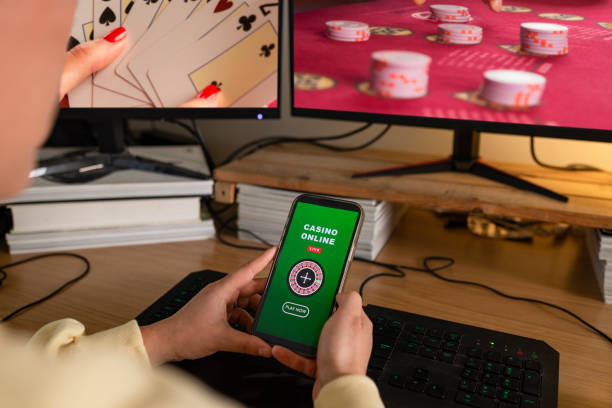
Ultimately, players must acknowledge the dual nature of luck and skill in gambling. While luck can occasionally lead to remarkable victories, it can just as easily result in significant losses. Understanding this balance fosters more realistic expectations and enhances the overall gaming experience. By appreciating the nuanced relationship between luck and skill, players can engage with a greater sense of awareness, promoting responsible gambling practices and informed decision-making.
The Impact of Randomness and Probability
Randomness and probability are essential elements in comprehending the outcomes at casino tables. Each game comes with its specific odds, and being aware of these probabilities empowers players to make educated decisions. For instance, in blackjack, knowing the likelihood of drawing certain cards can influence whether a player opts to hit or stand. This understanding can bolster their confidence in their choices or encourage caution, reflecting the unpredictable nature of card distribution and outcomes.
The randomness that underpins most casino games means that no specific outcome can be assured. Even skill-based games like poker are subject to chance regarding the hands dealt. However, players with skill can still optimize their chances through strategic play and betting techniques. This illustrates that while luck may dictate the results of individual rounds, experienced players can sometimes sway broader trends in gameplay through their expertise, enhancing their overall success.
Additionally, many casinos utilize sophisticated algorithms to ensure the randomness of their games, maintaining fairness and credibility in the gambling experience. Recognizing that randomness is an integral part of games can help players manage their expectations more effectively. While lucky streaks can provide thrilling moments, players must also be prepared for inevitable downturns, embracing the full spectrum of emotions that come with the gambling experience.
The Psychological Dimension of Luck
The psychological components of luck in gambling are substantial and cannot be overlooked. Many players develop superstitions and rituals, believing that certain actions can directly influence their luck. From wearing lucky items to adhering to particular routines before making bets, these behaviors reflect a human desire to impose control over an inherently uncertain situation. Such practices can enhance the emotional engagement of the game, making each session feel more personal and meaningful.

The excitement tied to the potential for winning creates a euphoric state that can encourage individuals to continue playing despite the risks involved. This emotional rollercoaster is often a significant attraction for players, as the thrill of a potential victory can overshadow the reality of possible losses. Understanding these psychological dynamics is crucial for anyone looking to engage responsibly with the casino experience, as it can lead to more mindful gambling habits.
Furthermore, the perceptions surrounding luck can have profound implications for players’ betting behavior. An inflated sense of confidence in one’s lucky streak may lead to reckless decisions, while a belief in bad luck could deter players from capitalizing on favorable situations. Being aware of these cognitive biases can aid gamblers in managing their expectations and fostering healthier gambling behaviors. The intricate relationship between psychology and luck underscores the complex emotional journey players navigate at the casino tables.
Your Source for Gambling Inspiration and Knowledge
Our website serves as a valuable resource for anyone eager to explore the fascinating world of casino gaming. We offer a wealth of informative articles, educational content, and expert insights covering various games, strategies, and the multifaceted role of luck in gambling. Whether you are a newcomer to the casino scene or a seasoned player, our platform is designed to broaden your understanding and enhance your enjoyment of the gaming experience.
In addition to our extensive articles, our website features community discussions and forums where players can engage with one another, sharing personal experiences and strategies. This collaborative environment fosters a sense of connection among gambling enthusiasts, promoting the exchange of ideas and insights. Engaging with fellow players can provide fresh perspectives on the delicate balance between luck and skill at the gaming tables.
Ultimately, our mission is to equip players with the knowledge and insights necessary to navigate the complexities of gambling effectively. By embracing both the exhilarating aspects of luck and the importance of strategy, we aim to enrich your gaming experience while promoting responsible gambling practices. Join us on this exciting journey and discover how luck can influence your fate at the casino tables while ensuring a balanced and enjoyable approach to your gameplay.