Understanding the psychological triggers behind gambling behavior
The Thrill of Uncertainty
One of the primary psychological triggers behind gambling behavior is the thrill of uncertainty. Gamblers are often drawn to the unpredictability that comes with wagering their money. This uncertain outcome can create a rush of adrenaline, making the experience exhilarating. The anticipation of winning, despite the odds being against them, engages the brain’s reward system, releasing dopamine and creating feelings of pleasure and excitement. Choosing a fast payout casino can add to this thrill, as it allows players to experience the excitement of rapid rewards.
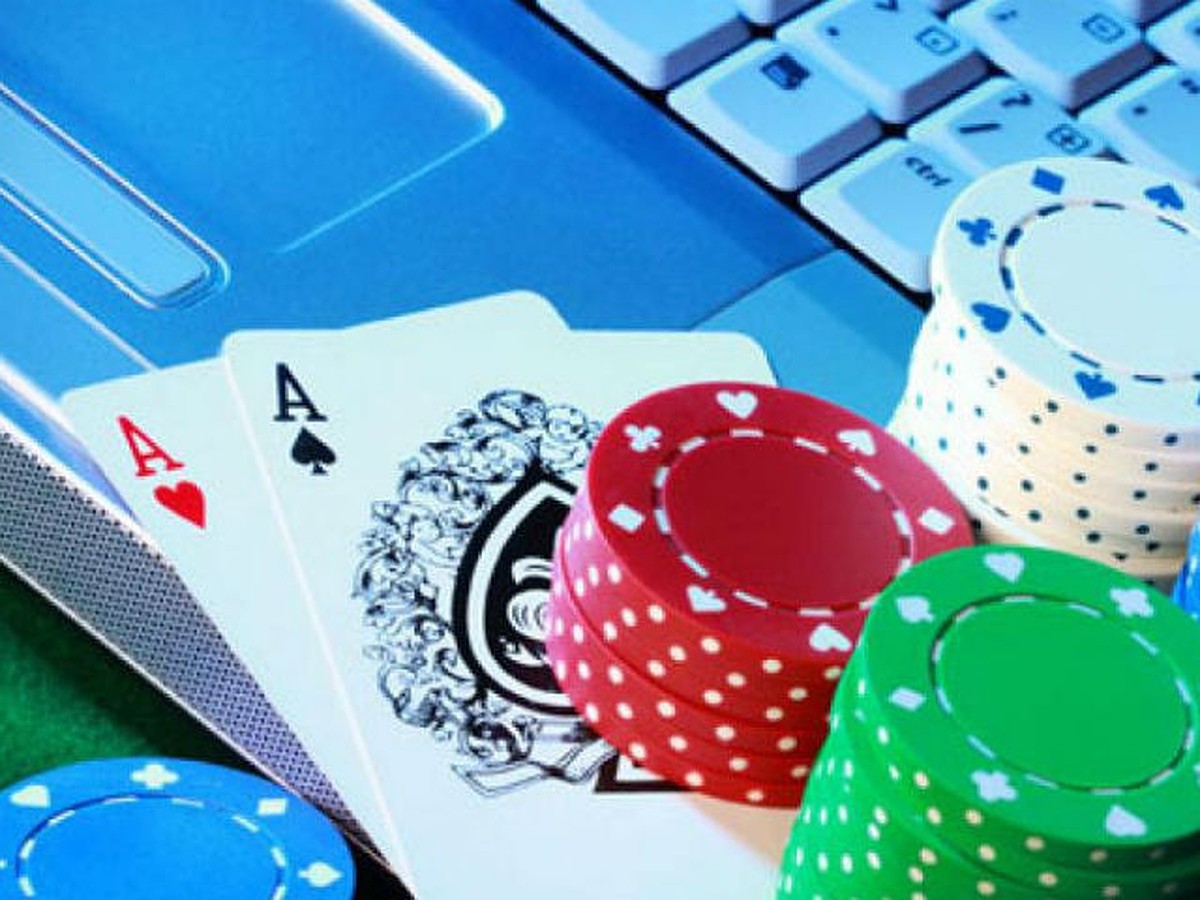
This excitement often leads to a cycle where the initial thrill encourages repeat gambling. For many, this behavior becomes habitual as they seek to recreate that euphoric feeling. The unpredictability of games, combined with the potential for large rewards, keeps players coming back, even when they experience losses. The drive to chase the next high can overshadow the risk of financial loss.
The Illusion of Control
The illusion of control is another significant psychological trigger for gamblers. Many players develop a false belief that they can influence the outcome of games through skill, strategy, or rituals. This cognitive distortion makes them feel empowered and can lead to an increase in gambling frequency. For instance, a poker player may believe their strategic decisions can sway the game in their favor, despite the inherent randomness involved.
This illusion is particularly potent in games perceived as skill-based. The players often feel that their expertise can give them an edge, further reinforcing their gambling behavior. The brain reinforces this belief through the occasional wins, leading to a cycle where individuals justify their gambling activities based on perceived control rather than statistical reality.
Moreover, the sense of control is enhanced through the use of superstitious behaviors or rituals. Many gamblers may have certain actions they believe bring good luck, which can further deepen their commitment to gambling. This creates a feedback loop where the reinforcement from winning, combined with the belief in personal control, leads to more significant engagement with gambling activities.
Social Influence and Peer Pressure
Social influence plays a crucial role in gambling behavior. The presence of friends or family who gamble can normalize the behavior, making it seem more acceptable or even desirable. Many individuals may start gambling as a social activity, engaging in it to fit in or bond with peers. The excitement of gambling becomes intertwined with social interactions, leading to a potential increase in frequency and amount wagered.
Peer pressure can amplify these social influences, especially among younger individuals who are more susceptible to external validation. The desire to impress peers or engage in shared experiences can drive them to participate in gambling activities they might not otherwise consider. This social dimension can create a sense of community around gambling, making it harder for individuals to recognize potential risks or develop responsible habits.
Furthermore, social media and online platforms can amplify these influences, showcasing glamorous lifestyles that often accompany gambling. The depiction of success stories creates an illusion that gambling can lead to wealth and excitement. This allure can attract new players and deepen existing gamblers’ commitment, ultimately perpetuating the cycle of gambling behavior within social circles.
The Role of Escapism
Many individuals turn to gambling as a form of escapism, seeking relief from stress, anxiety, or personal problems. The excitement of gambling can provide a temporary distraction from reality, allowing players to immerse themselves in a different world. This psychological trigger often leads individuals to gamble as a coping mechanism, using it to avoid confronting underlying issues in their lives.
Gambling may seem like an attractive solution for those dealing with emotional distress. The highs and lows of betting can create a rollercoaster of emotions, providing an escape from everyday life. However, this reliance on gambling for emotional relief can spiral into problematic behavior, as individuals may gamble more to chase the fleeting high that comes from winning.
Moreover, this form of escapism can lead to further problems, including financial difficulties and strained relationships. As individuals become increasingly absorbed in gambling to manage their emotions, they may neglect their responsibilities and personal connections. Recognizing gambling as a coping mechanism is crucial for individuals seeking to understand their behavior and pursue healthier alternatives.

Finding the Right Casino Experience
Understanding the psychological triggers behind gambling behavior can significantly enhance your gaming experience. As you navigate through various casinos, it’s essential to consider platforms that prioritize responsible gambling practices. Many leading casinos in Canada offer tools and resources to help players manage their gambling habits effectively, ensuring that the thrill remains enjoyable and within limits.
The rise of instant withdrawal casinos also caters to psychological triggers, allowing players to access their winnings quickly. This feature can provide a sense of immediacy and gratification, enhancing the overall gambling experience. Choosing platforms that facilitate rapid payouts can contribute to a more satisfying interaction, satisfying both the thrill-seeking and practical aspects of gambling.
Ultimately, being informed about gambling behaviors and triggers can lead to a more conscious and enjoyable experience. By selecting casinos that promote responsible gambling, players can indulge in the excitement while maintaining control over their activities, making informed decisions that enhance their enjoyment and minimize potential risks.
“`
Leave a Reply